A private research residency · Bali · 2026
CANoPY— a private research residency for engineers, researchers, and protocol designers exploring the future coordination layer of intelligent systems
byA private residency for engineers, researchers, and protocol designers working on the coordination layer of intelligent systems.
Surrounded by an open field of contribution for remote builders and researchers worldwide.
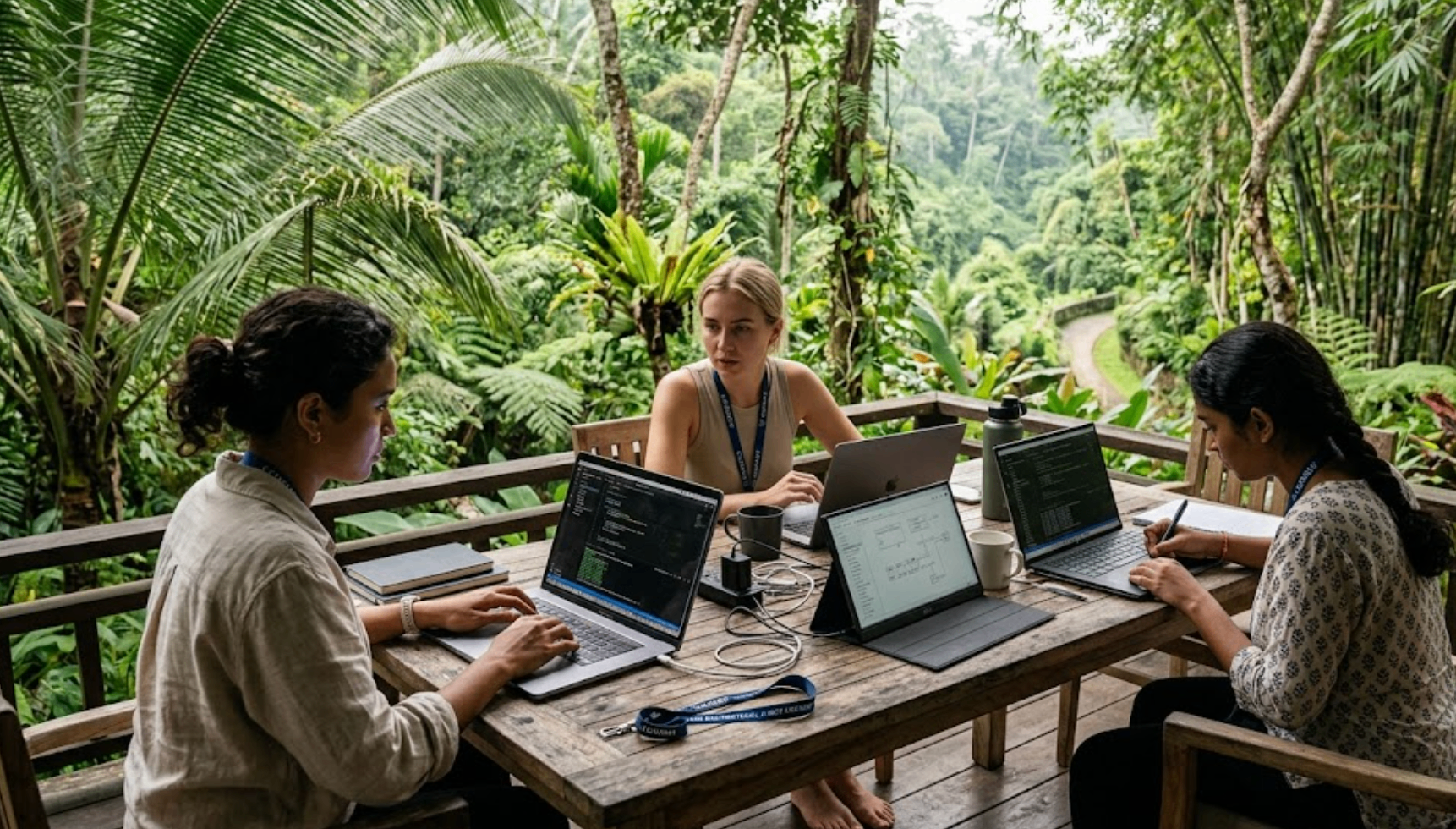
I. The Moment
The coordination layer of intelligent software is being built right now.
MCP crossed 97M monthly SDK downloads. A2A gathered 150+ partner organisations. Both now sit under Linux Foundation governance — a clear signal that this is infrastructure, not a product cycle.
Yet the hard problems are still open: trust, memory, identity, failure modes, authorization at the granularity these systems actually need. The standards exist on paper. The systems that must run on them do not.
CANOPY exists for the twenty engineers most directly responsible for closing that gap.
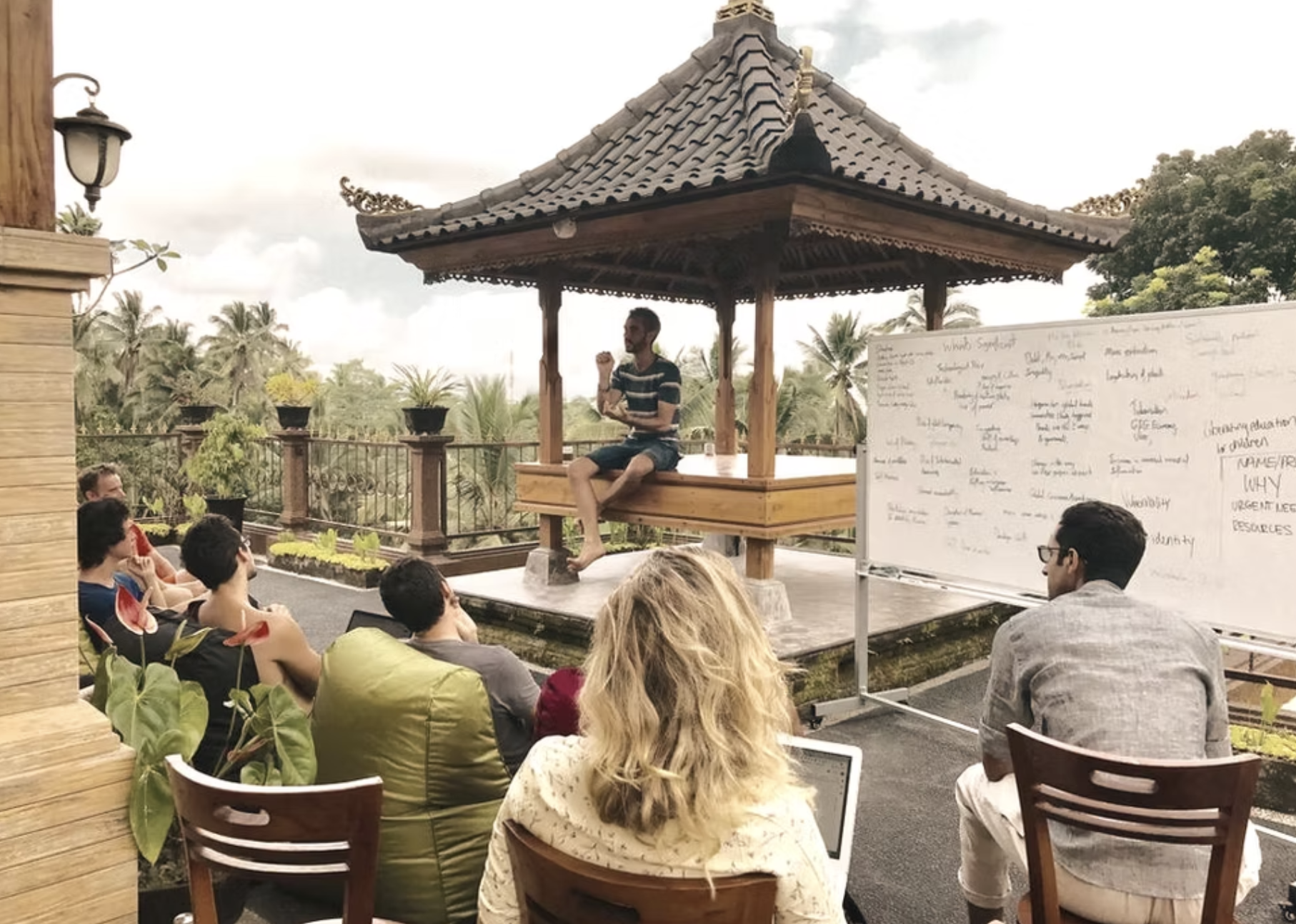
Working sessions in small rooms and open-air pavilions — conversations that continue long after the whiteboard fills.
Field image · Workshop
II. The Work
What remains unsolved.
Trust Propagation
How does authorization survive a five-hop agent chain? Nobody has shipped a credible answer.
Shared Memory
Agents need state that outlives a session — scoped, revocable, legible. The primitives don't exist.
Coordination Under Failure
When one agent stalls or lies, the rest must degrade gracefully. We're still writing failure modes by hand.
Fine-Grained Authorization
Tool calls deserve scopes narrower than a full session. Capability tokens are a sketch, not a standard.
Agent Identity at Scale
Millions of ephemeral agents acting for millions of humans. The identity layer doesn't exist yet.
Capability Discovery
How does one agent learn what another can do at runtime, without a curated registry? Open question.
III. The Architecture of the Room
"The spark comes from precise, respectful collision."
On selection
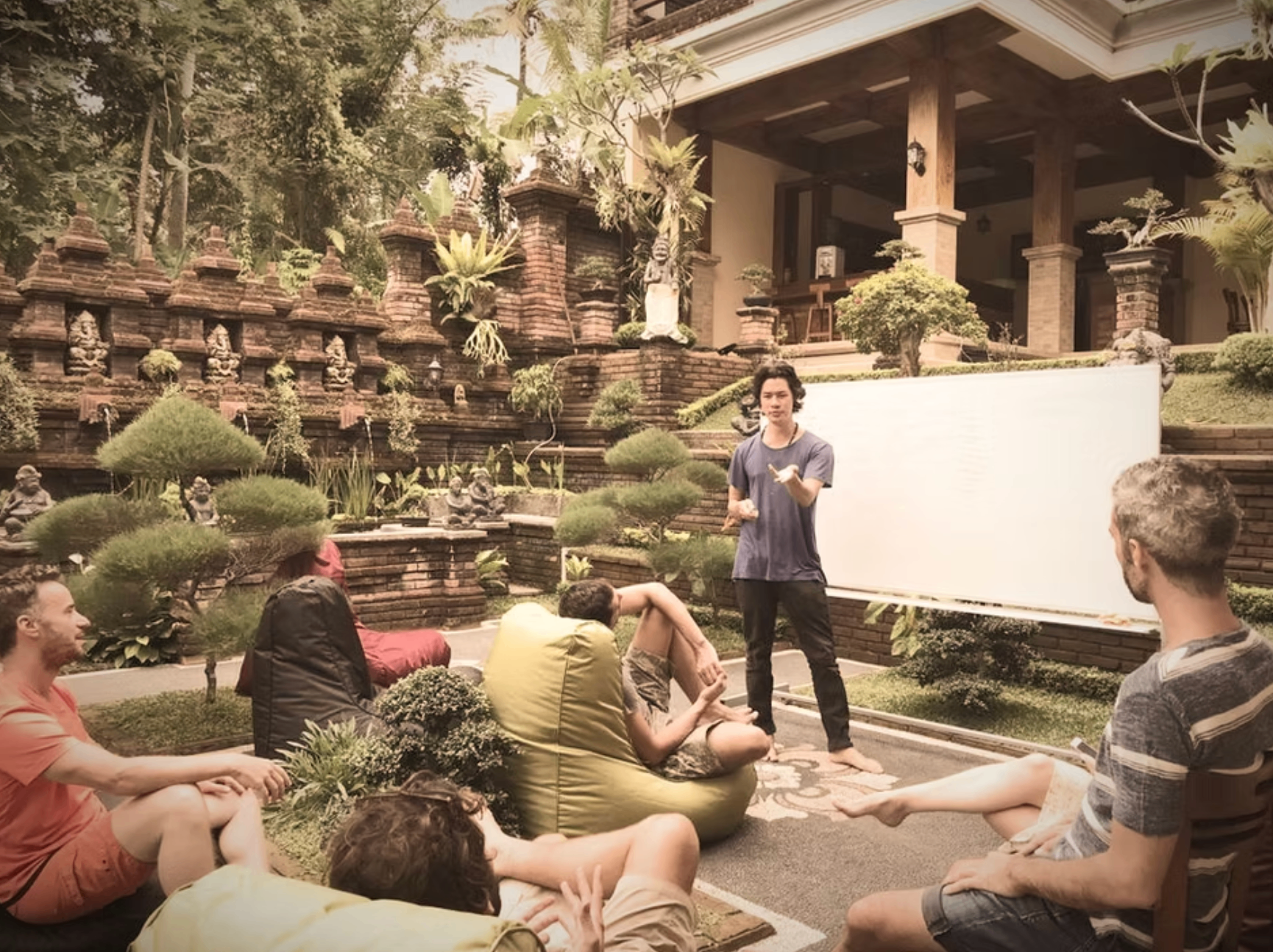
Curated for productive distance
Twenty engineers chosen for the tension between their work. No overlap, no echo chamber.
Cross-pollination by design
Researchers next to platform leads next to founders. Adjacency is the protocol.
No performance, no spectators
No keynotes, no press, no recording. What is said in the room stays load-bearing in your work.
The fingerprint stays
You leave with peers you can call at 2am about a hard problem. That is the entire product.
IV. The Environment
A landscape of adaptive coordination, at human pace.
Most systems optimise for extraction and acceleration. CANOPY situates the work inside a landscape whose feedback loops run on the opposite logic — resilience, adaptation, long-horizon equilibrium.
Deep work mornings
Silent hours over the valley. Your work and the forest waking up.
Protocol workshops
Small-room sessions on the unsolved problems. Whiteboards, not slides.
Architecture roundtables
Six engineers per table, one hard problem each. Rotating partners through the afternoon.
Founder dinners
Long tables under the canopy. The conversation that doesn't fit in a calendar invite.
IV·b The Venue
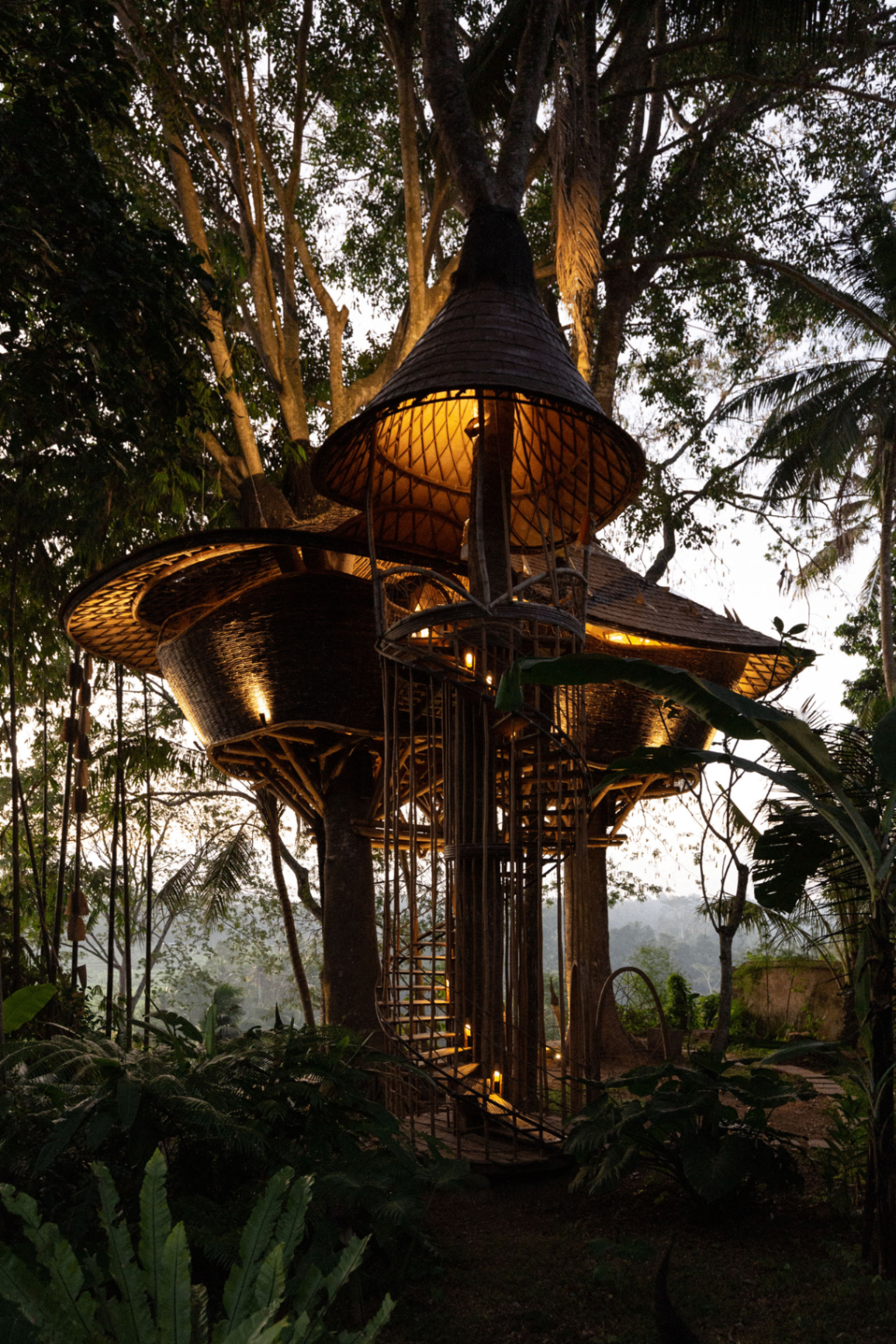
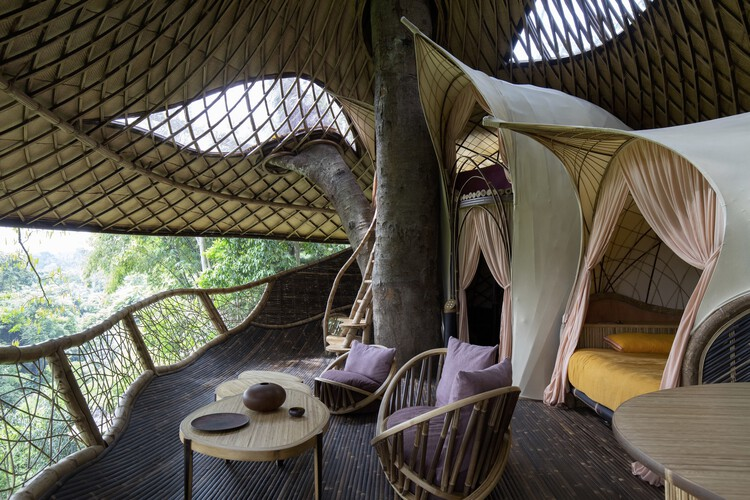
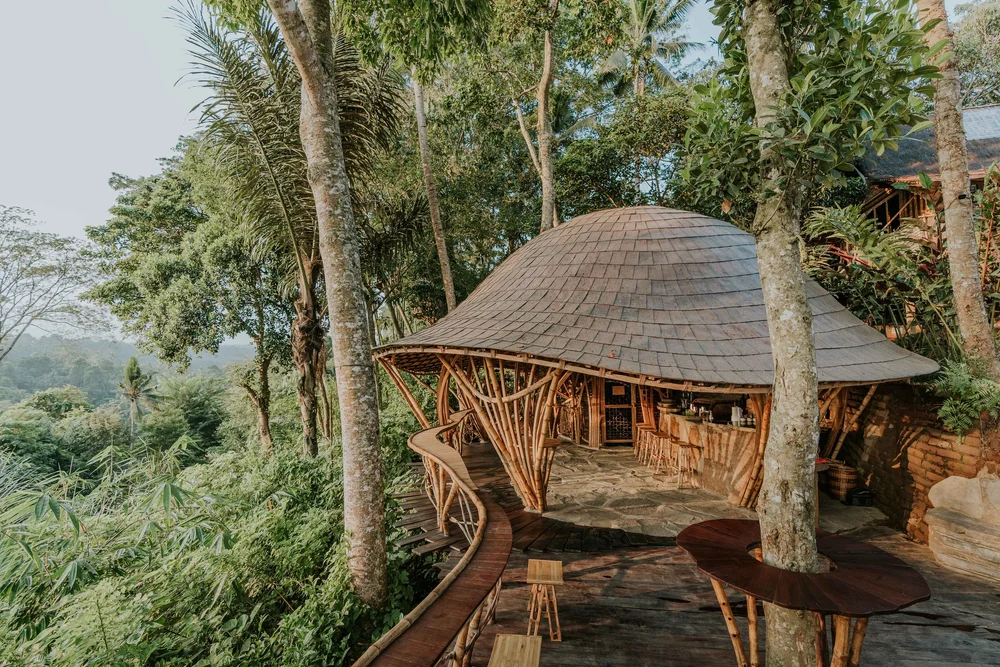
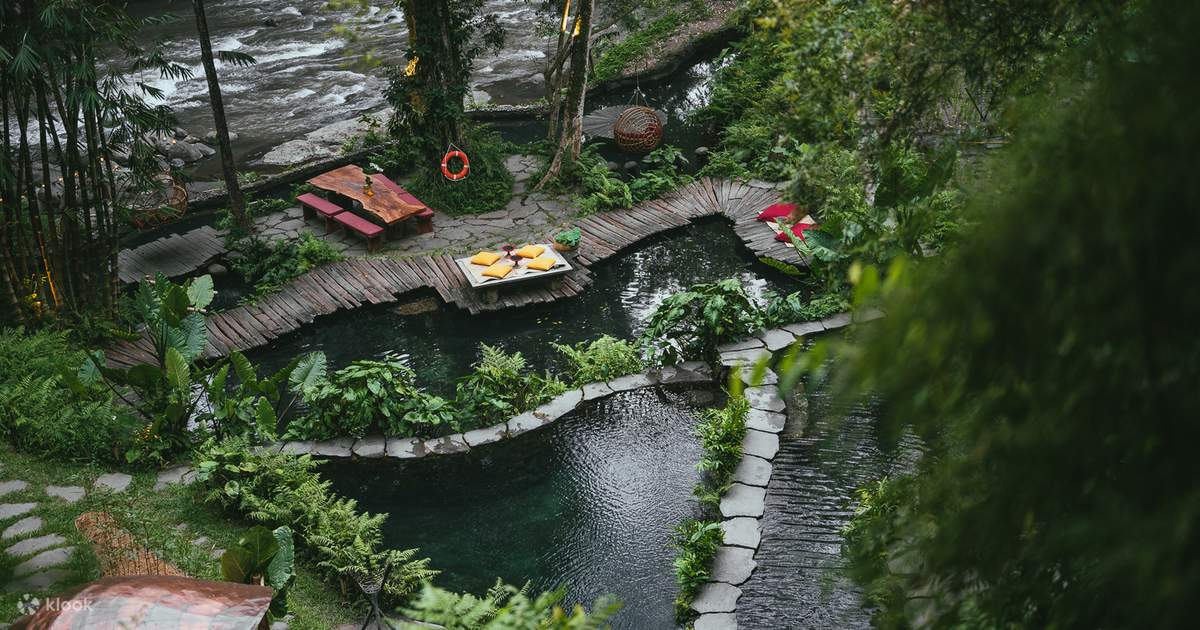
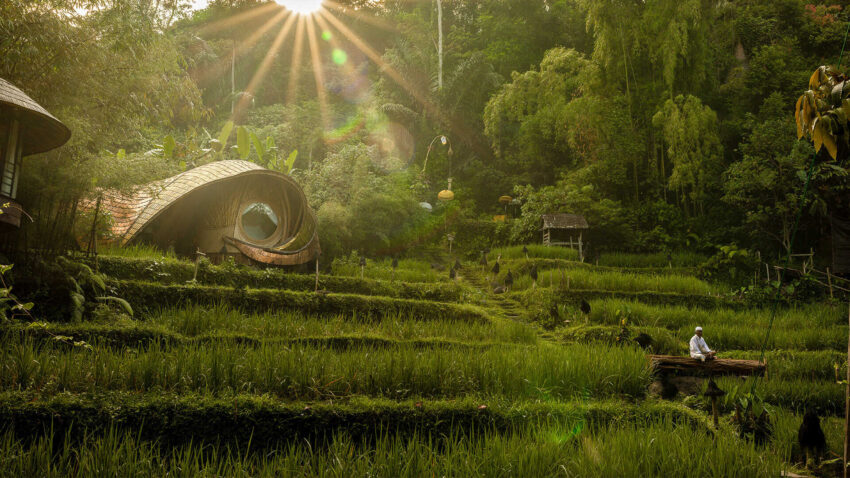
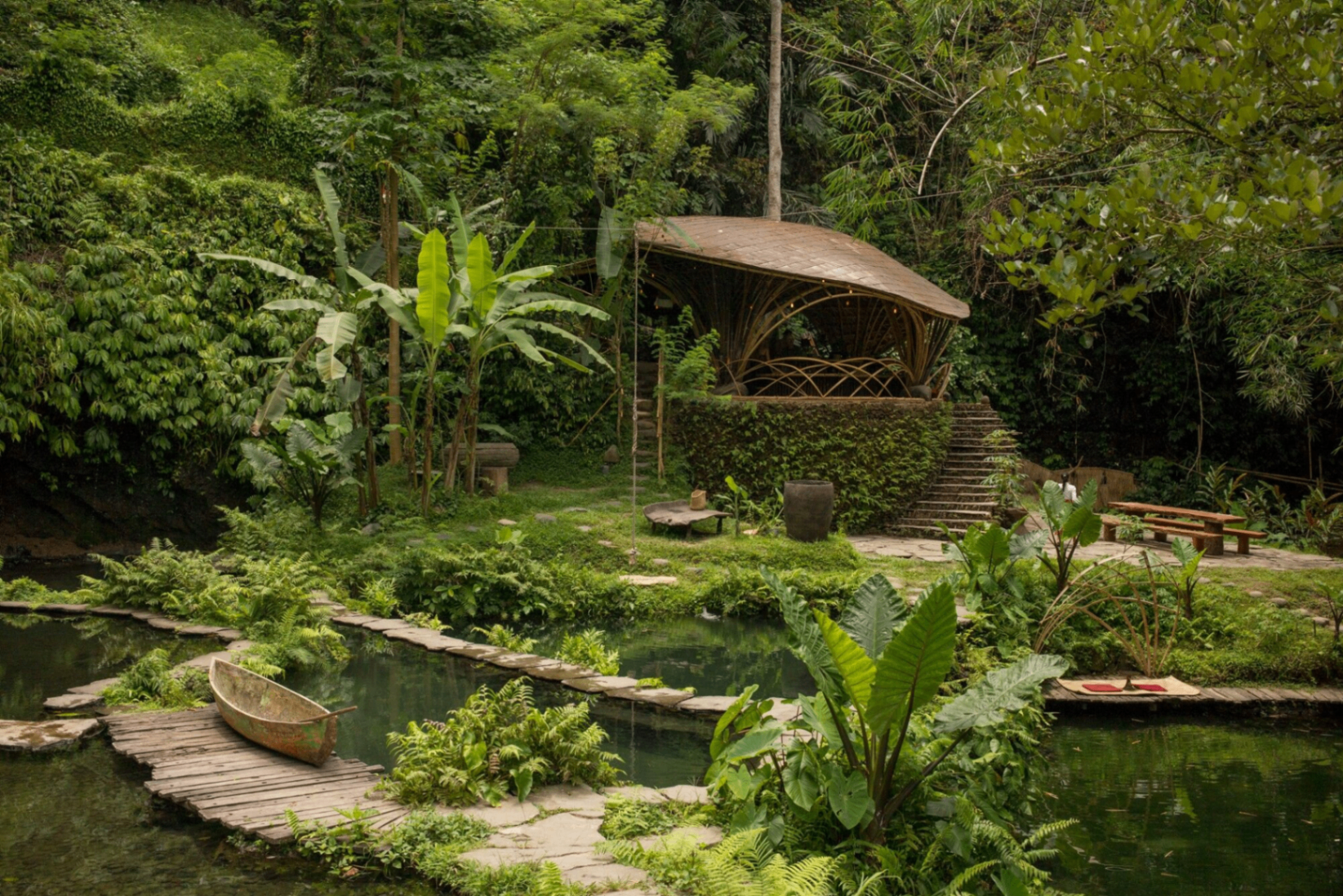
Bamboo architecture, living jungle.
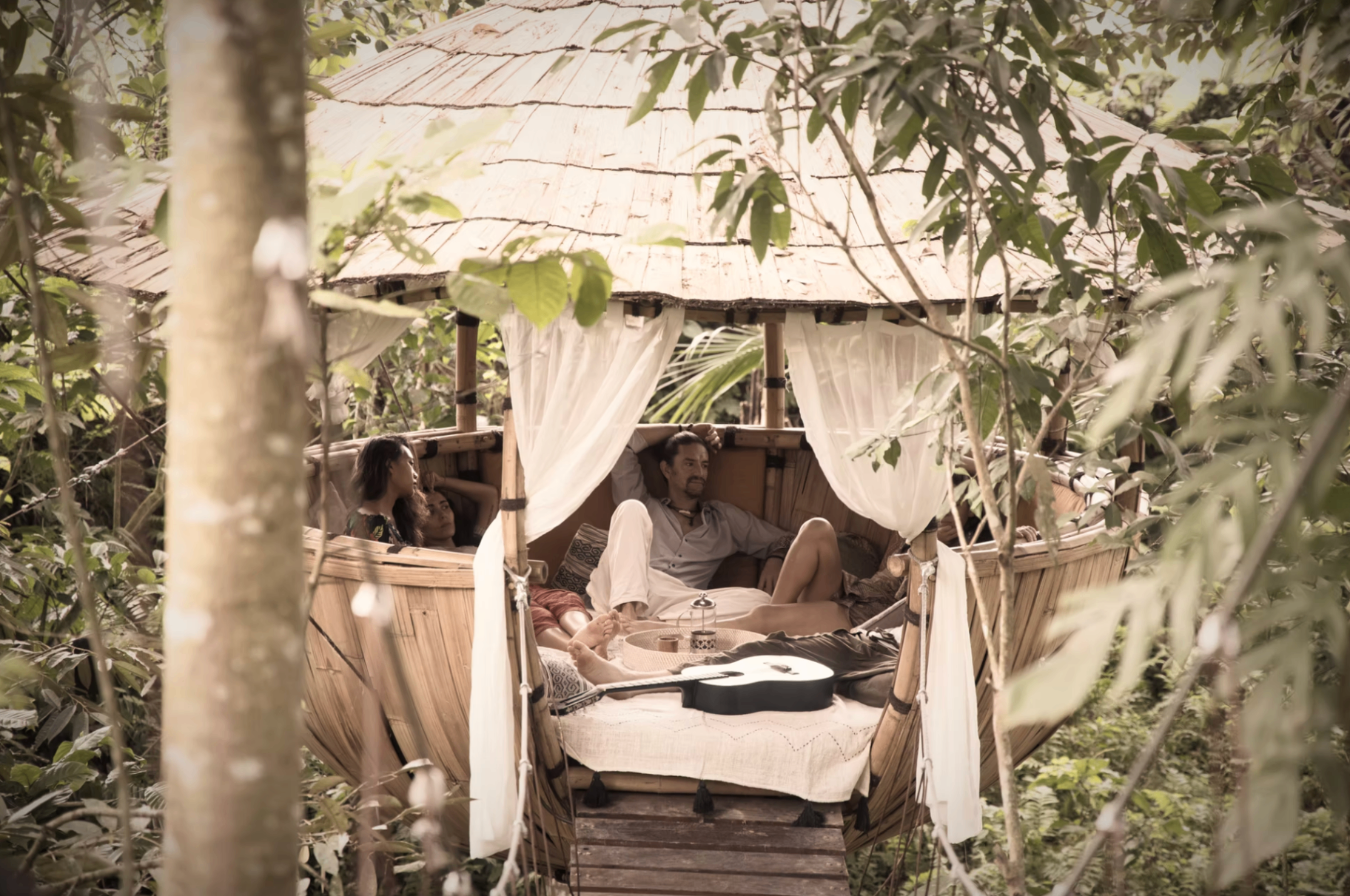
Hand-built bamboo pavilions, spring-fed pools, rice terraces, and canopy lofts in the Ubud highlands — the working environment for the seven days.
V. The Open Field
A private residency, surrounded by an open field of contribution.
The residency stays small and off-record. Around it, CANOPY sustains a public layer where remote contributors work on the same open questions as the cohort.
Outstanding contributors may receive invitations to future cohorts, working-group access, and collaboration introductions.
- 01
Papers
Position papers, technical write-ups, applied research.
- 02
Protocols
Specifications, proposals, and interop work for the coordination layer.
- 03
Tooling
Open-source libraries, SDKs, runtimes, and reference implementations.
- 04
Experiments
Working prototypes that probe agent memory, identity, or failure modes.
- 05
Coordination models
Frameworks for distributed authorization, capability, and trust.
- 06
Essays
Long-form thinking on systems architecture and long-horizon equilibrium.
An open research commons orbiting a private residency. Reviewed by the convening committee; no deadlines, no leaderboards.
VI. The Process
How a seat is offered.
Applications open in January 2026 and are reviewed on a rolling basis until the cohort of twenty is complete. We expect to close the room by April 2026.
- Step I5–10 minutes
Submit application
Five short questions about your work and the problem you'd bring into the room. Anonymous to anyone outside the convening committee.
- Step IIWithin 14 days
Review & alignment
The committee reviews against the cohort already forming. A short call may follow to test fit on both sides.
- Step IIIRolling, until full
Invitation to join
A direct, written invitation with logistics, dates, and the names already confirmed for your edition.
VII. The Committee
Convened by engineers already in the room.
CANOPY is not a brand exercise. It is hosted by working contributors to the protocols the cohort is building, with advisors drawn from research, standards, and platform engineering.
M. Reyes
Convening committee
Protocol engineering · contributor to MCP working groups.
A. Kovač
Convening committee
Distributed systems · platform architecture at infrastructure scale.
J. Tanaka
Advisor
Research lead on agent memory and capability tokens.
L. Eze
Advisor
Open-standards governance · prior Linux Foundation TSC chair.
Contributors drawn from
- MCP
- A2A
- Linux Foundation
- Open Agent Working Group
- Independent Labs
- Frontier Platforms
VIII. The Design Behind the Week
Why this retreat is different.
Standard technical gatherings change what you know. CANOPY is designed to change how you think.
Every element of the environment — the architecture, the food, the physical practices, the sensory conditions — is a deliberate intervention targeting the specific cognitive states that produce breakthrough systems thinking.
A room full of engineers thinking at the highest level they are capable of, for seven consecutive days. That is what the infrastructure of this retreat is designed to produce.
X. Questions
Everything we are asked, answered.
XI. Invitation
You are receiving this because of the work you are doing.
CANOPY is invite only. Apply, and a member of the convening committee will read what you send. Applications are reviewed on a rolling basis from January 2026 — selected participants typically hear back within 14 days.
Twenty seats · Cohort closes April 2026
Supported in collaboration with a small group of ecosystem partners.